
By Dr Maura De Benedictis – Cardiology Specialist – MediSAT Turin
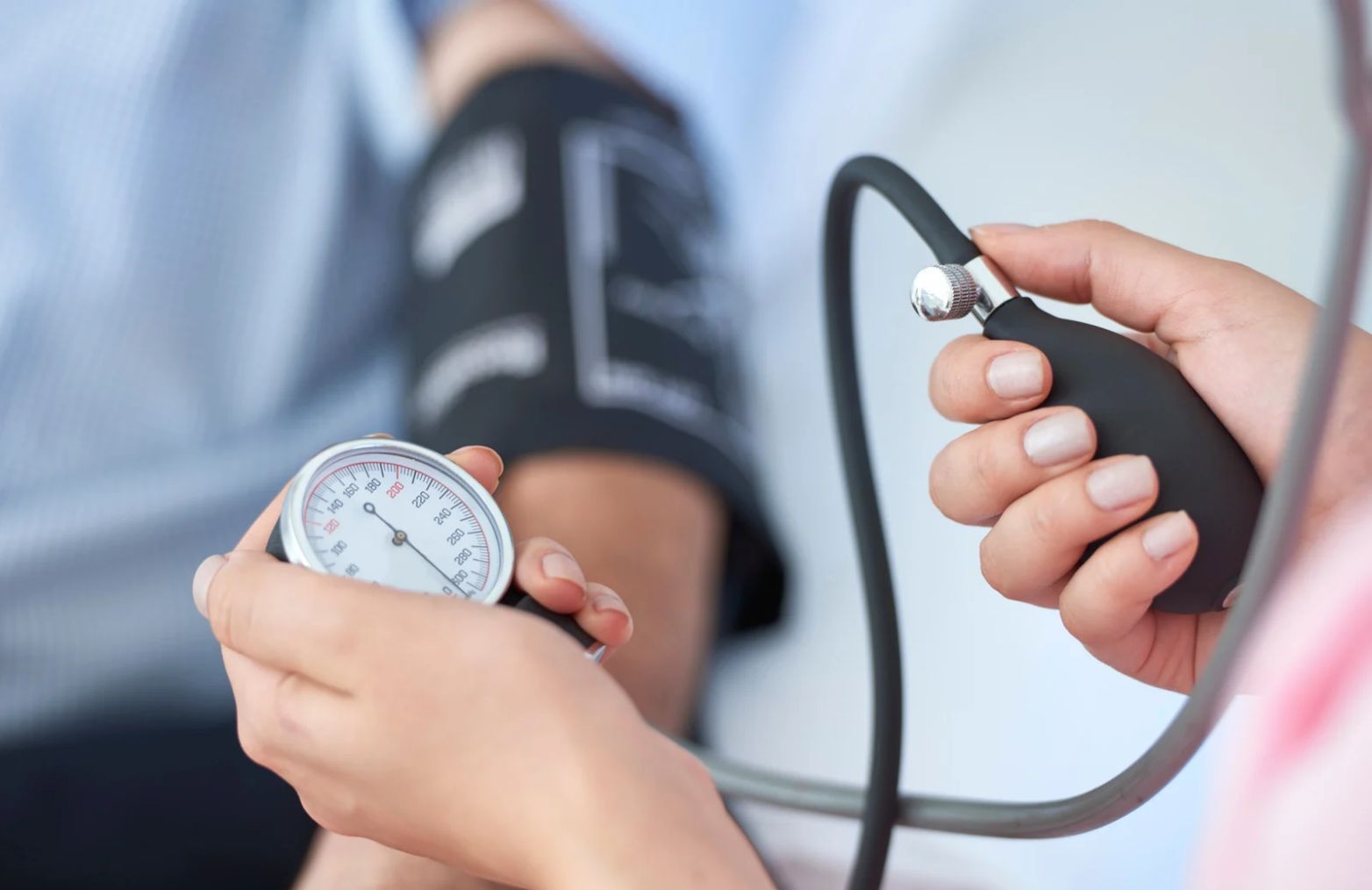
Of all the parameters we assess in clinical practice, blood pressure is probably one of the most important, yet also one of the most underestimated. Many patients tend to measure it only when they feel unwell, forgetting that, in most cases, changes in blood pressure cause no symptoms at all.
High blood pressure (hypertension) is, in fact, a silent condition. It can persist for years without obvious warning signs, while progressively damaging the heart, brain, kidneys and arteries. This is why prevention starts with regular blood pressure checks.
What is blood pressure?
Blood pressure is the force exerted by the blood on the walls of the arteries as it travels around the body. Each measurement gives two values.
The first, known as systolic pressure or the “upper” value, corresponds to the pressure generated when the heart contracts.
The second, diastolic pressure or the “lower” value, reflects the pressure when the heart relaxes between beats.
Under normal conditions, values of around 120/80 mmHg are considered optimal in adults.
However, these values must always be interpreted on an individual basis, taking into account age, any other medical conditions, current treatments and overall cardiovascular risk profile.
Why is hypertension so dangerous?
The real problem with hypertension is not the number shown on the monitor, but the damage that persistently high values cause to the blood vessels over time.
Chronically raised blood pressure forces the heart to work harder, leading to thickening of the heart muscle and increasing the risk of heart failure, myocardial infarction, atrial fibrillation and stroke. The kidneys and the retina can also suffer progressive damage.
This is why hypertension is often called the “silent killer”: it acts slowly, without symptoms, until it shows itself through a complication that could have been prevented.
A single reading is not enough
One of the most common mistakes is to give too much weight to a single reading.
Blood pressure naturally varies throughout the day. Emotions, physical activity, pain, caffeine and outside temperature can all change it temporarily.
To reach a correct diagnosis, repeated measurements are needed, ideally taken at home with validated devices, using the correct technique and at the same times of day.
In some cases, the cardiologist may request 24-hour ambulatory blood pressure monitoring (blood pressure Holter), one of the most reliable tools for assessing how blood pressure actually behaves.
Lifestyle is the first treatment
Even before medication, treating hypertension starts with changing everyday habits.
Reducing salt intake, eating a diet rich in fruit, vegetables and whole grains, maintaining a healthy weight, exercising regularly, avoiding smoking and limiting alcohol are all measures that can significantly lower blood pressure.
Managing stress and getting good-quality sleep are also key elements of cardiovascular prevention.
When is medication needed?
When lifestyle changes are not enough, or when cardiovascular risk is high, drug treatment becomes necessary.
Today we have many effective and well-tolerated medications. Treatment is not the same for everyone: it is tailored to the patient’s age, any associated conditions and their blood pressure values.
The goal is not simply to lower blood pressure, but to reduce the risk of cardiovascular events and protect the organs in the long term.
The cardiologist’s advice
In my clinical experience, one of the most important things is convincing patients that blood pressure should not be checked only when they feel unwell. On the contrary, precisely because it often causes no symptoms, it should be monitored regularly.
Prevention means acting before damage occurs. Measuring your blood pressure takes just a few minutes, but that simple step can help prevent serious disease and preserve your cardiovascular health for years to come.
Ultimately, taking care of your blood pressure means taking care of your heart.
